 Beast
Beast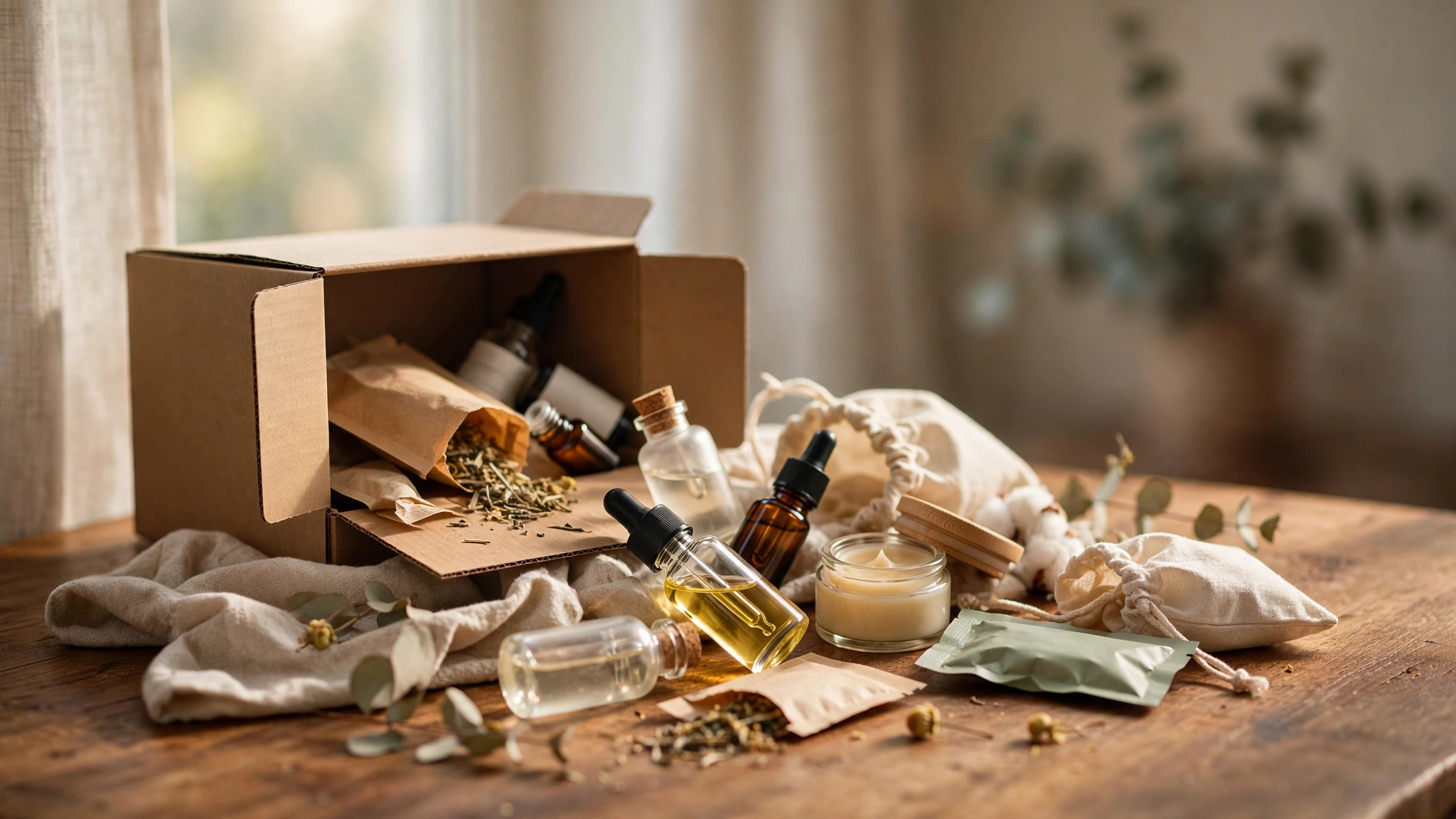
Every few months someone asks me for "the list." Not a list scraped from a 2019 blog post full of dead links — the actual sites that still send free samples in 2026, with the real rules. Here it is. I've kept this tight: four platforms that work, what each one expects from you, and how to actually qualify instead of staring at an empty dashboard.
1. PINCHme — the monthly box
How it works: You build a detailed profile (household size, pets, shopping habits, health needs), and once a month PINCHme releases a "Sample Tuesday" box matched to your answers. You claim the items you want; they ship free.
Eligibility, honestly: US residents, 18+. The fuller your profile, the better your matches — half-empty profiles get half-empty boxes. After you receive samples, you owe feedback surveys; skip too many and your future boxes shrink. That's the deal, and it's fair.
What you'll get: Trial-size snacks, personal care, cleaning products, pet treats. Think $15–40 of retail value per box when it's a good month.
2. Home Tester Club — the big-ticket tester
How it works: Brands list products they want tested — sometimes it's a $200 appliance, sometimes baby gear — and members apply. If selected, the product ships to you, you test it for a few weeks, and you write a detailed review.
Eligibility, honestly: Open in the US, UK, Australia, and several other markets. Selection favors members with a history of thorough reviews, so your first few applications should be for smaller items where you can prove you write real feedback. One-line "great product!!!" reviews get you nowhere here.
What you'll get: Fewer, bigger items. This is the highest-value-per-sample platform on the list, but also the most competitive.
3. Influenster — the review-driven one
How it works: You review products you already own to build your "impact score," and higher scores unlock VoxBox campaigns — curated boxes of new products matched to your interests.
Eligibility, honestly: Your social accounts can be connected, and an engaged audience helps, but plenty of members with small followings get boxes too. What matters most is a consistent history of detailed, honest reviews — including critical ones. Brands can smell a shill profile.
What you'll get: Beauty, snacks, household goods. Campaign frequency varies a lot by category — beauty members tend to get the most boxes.
4. Sampler — the engine behind the curtain
How it works: Sampler is the white-label platform powering sample offers on hundreds of brand websites. When you see "get a free sample" on a shampoo or cereal brand's own site, there's a good chance Sampler is running the logic: a short quiz, address verification, then shipping.
Eligibility, honestly: Varies per brand campaign — each one sets its own rules (location, age, purchase history). The upside: because campaigns are scattered across brand sites, most people never find all of them. The downside: each campaign is usually one sample per household, strictly enforced.
What you'll get: Single full-size or deluxe samples, one brand at a time. Lower volume, higher relevance.
How to actually qualify (the part nobody tells you)
Three things separate people who get boxes from people who don't:
- Complete profiles. Every unanswered question is a campaign you can't match. Spend 30 minutes once; it pays for months.
- Do the feedback. Every platform tracks your review completion rate. Members who finish surveys get priority on the next round. It's that simple.
- One clean identity per account. These sites link accounts by device fingerprint, IP, and address — which is exactly why my guide on why sample sites reject people exists. If your whole household participates, give each person their own clean browser profile so the sites see separate people, not one person gaming the system. (There's a right way to set that up: claiming samples across multiple household accounts, done properly.)
What I'd skip
Any site that asks for your credit card "for shipping verification" on a supposedly free sample — walk away. And treat any list promising "500 free sample sites" as what it is: 490 dead links and 10 real ones, which are the four above plus a few brand-direct programs.
Start with one platform, complete the profile properly, do your first round of feedback, and build from there. For the full picture of how this whole ecosystem works — including the brand side — read the pillar guide: What Is Online Sampling? The Complete 2026 Guide.
Your turn: which of these four still works best for you in 2026? Drop it in the comments — this list stays alive because readers report what's actually shipping.