 Beast
Beast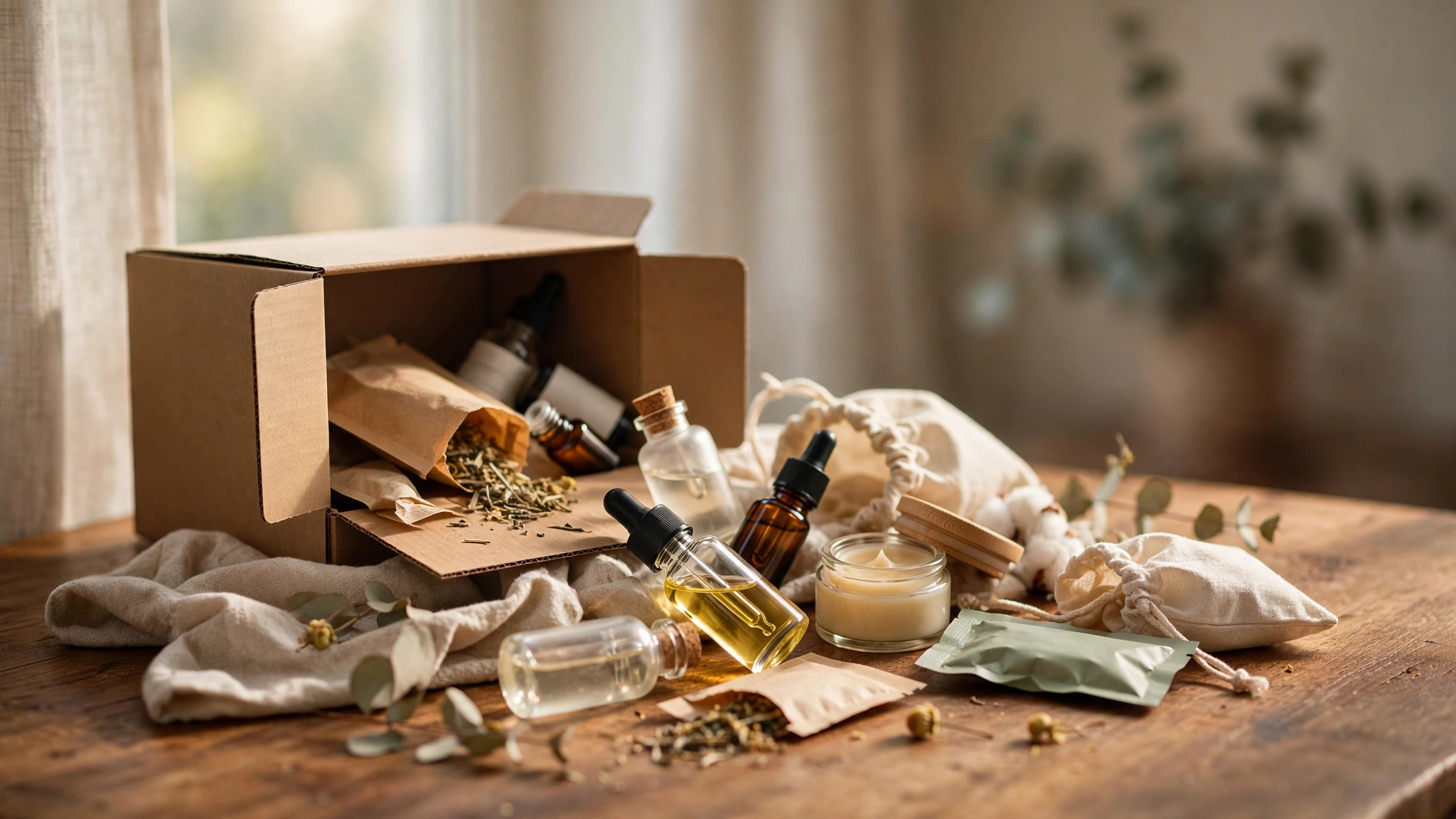
If you've ever gotten a free box of snacks, a trial-size shampoo, or a new energy drink in the mail just for signing up somewhere — you've done online sampling. And if you're a brand wondering how those boxes actually get into people's hands at scale, this guide is for you too. I work on the tech side of this world, so I'm going to explain it from both sides of the table.
Online sampling, in one paragraph
Online sampling is simple: brands give away free product samples through websites and apps, and consumers claim them, try them, and (usually) leave feedback or reviews. The brand gets real-world product trial and user-generated content. The consumer gets free stuff. The websites in the middle — PINCHme, Home Tester Club, Influenster, Sampler — run the matching, the shipping logistics, and the fraud prevention that keeps the whole thing honest.
How it works for users
You sign up on a sampling site, fill out your profile (age, household, shopping habits, address), and the site matches you with samples you're eligible for. Claim one, it ships to your door, you try it, and you complete a short survey or review. That's the deal: the sample is free, your feedback is the payment.
Here's what most people don't realize until their third or fourth rejection: these sites run serious fraud detection. They link accounts by device fingerprint, IP address, and mailing address. One person claiming the same sample five times under five emails gets caught fast — the system sees one device, one IP, one address. If you want the full breakdown of why rejections happen, I wrote a dedicated guide: Why Sample Sites Reject You: Device Fingerprint, Address Limits, and IP.
How it works for brands
On the brand side, sampling is a performance channel with measurable ROI. A typical campaign looks like this: the brand (or its agency) picks a target audience, the sampling platform recruits matched testers, products ship, and reviews plus survey data come back in 4–8 weeks. The output brands actually pay for is twofold — authentic reviews at scale and first-party data about who tried the product and what they thought.
Agencies running sampling for multiple clients have their own operational headache: keeping every client's campaign, accounts, and data cleanly separated. That's a multi-profile operations problem, and I covered it in How Brands Run Online Sampling Campaigns: A Multi-Profile Ops Guide.
The main platforms in 2026
Four names dominate the space, and they work differently:
- PINCHme — box-based sampling; you claim a curated box of samples each month based on your profile.
- Home Tester Club — bigger-ticket product testing (appliances, baby gear); expects detailed reviews.
- Influenster — review-driven; your social influence score affects which campaigns you unlock.
- Sampler — the white-label engine behind many brands' own sampling pages; if a brand's site offers samples, Sampler is often powering it.
I keep a working list with real eligibility rules, updated for 2026, here: Best Free Sample Sites 2026: The Full Working List.
The tech underneath (and why it matters to you)
Power users running several household accounts and agencies running client campaigns face the same three technical requirements: isolated browser profiles (one clean fingerprint per account), matching proxies (IP and timezone that agree with each other), and automation for the repetitive parts like form filling. The setup guides below go step by step:
- How to Claim Free Samples Multiple Times: Anti-Detect Browser Setup
- Geo-Targeted Sampling: Using Proxies for Region-Locked Samples
- RPA for Sample Forms: 100 Applications a Day + a 50-Profile Farm Case Study
Where the money and reviews connect
Two topics deserve their own mention because they sit at the intersection of sampling and income. First, Amazon Vine and product testing programs — Amazon's device, payment, and address graph is the strictest in the business: Amazon Vine and Product Testing: Multi-Account Setup 2026. Second, the survey-panel-plus-sampling stack that side-income seekers combine: Survey Panels + Sampling Stack: The Multiple-Account Earning Guide. And for brands, the real prize of sampling is UGC — here's how review collection works at scale: Sampling + UGC: How 200 Profiles Collect 200 Product Reviews.
The bottom line
Online sampling is one of the few corners of the internet where everybody can win — users get free products, brands get real feedback. It only breaks down when people try to game it, which is why the fraud detection exists and why understanding it (rather than fighting it) is the smart play. Pick the guide above that matches your side of the table and go deep.
Quick question for the comments: when someone asks you "what is sampling," do you explain it as free stuff, product testing, or marketing? I'm curious which definition most people reach for first.